
Atlantic Bluefin Tuna
Scientific name Thunnus thynnus
Adult size
Western Atlantic maximums reach 13 ft (about 3.96 m) and 2,000 lb (about 907 kg). These are maximum records, not typical adult measurements; no ordinary-adult size band is shown.
- Weight
- Western maximum: 2,000 lb (about 907 kg), not a typical adult weight.
- Length
- Western maximum: 13 ft (about 3.96 m), not a typical adult length.
- Body depth
- No representative adult body-depth measurement is available.
- Top speed
- No defensible species Top Speed is available; sonar and tag records do not establish one.
- Lifespan
- Atlantic Bluefin Tuna live for decades. A dating method using traces left by nuclear tests confirmed that one western Atlantic specimen was 31 years old. That is one fish's age, not a typical lifespan.
Open waters of the North Atlantic Ocean and Mediterranean Sea, with long migrations between feeding and spawning regions and frequent use of deep water.
The range
Two regions, one species.
The atlantic bluefin tuna doesn't live in one place. Across the map below, each region has its own pressures, prey, and politics — same biology, different worlds.
-
North Atlantic Ocean
Western and eastern feeding and migration waters
A long-distance ocean traveller that crosses management-area and national boundaries.
Source ↗ -
Mediterranean Sea
Feeding, migration and major spawning waters
A major feeding, migration and spawning region where eastern fish mature earlier and at smaller sizes than western fish.
Source ↗
Daily life
What the atlantic bluefin tuna does, day to day.
Diet, social behaviour, climate — the everyday biology that shapes how this species hunts, defends and survives.
-
Diet
Juveniles eat crustaceans, fishes, squid and other cephalopods.
-
Social life
Atlantic Bluefin Tuna can school and may form tight lines or groups while searching for prey.
-
Climate
It uses sea water from about 3-30 C and moves between cooler feeding areas and warmer spawning waters.
Wyld Trivia
Five questions. Most people get them wrong.
But you're not most people.
Tap to reveal.
-
How can it stay active in cold water?
Show me HideA countercurrent exchanger in its blood vessels helps keep its body and swimming muscles warmer than the surrounding sea.
-
How deep does it dive?
Show me HideIt often swims near the surface but makes frequent dives to 500-1,000 m. Tagged fish have also shown deeper dives in particular studies.
-
How fast can it swim?
Show me HideNo defensible species Top Speed is available. Sonar estimated that one fish moved at 10.98 m/s for only 2-6 seconds while probably feeding. That brief observation cannot prove the species' maximum speed.
-
How old can it get?
Show me HideA dating method using traces left by nuclear tests confirmed that one western Atlantic specimen was 31 years old. That proves a decades-long life, but not that 31 years is typical.
-
Do all Atlantic Bluefin Tuna mature at the same age?
Show me HideNo. Eastern and Mediterranean fish generally mature earlier and at smaller sizes than western fish because the two populations use different spawning regions and have different life histories.
The terrain
Where the atlantic bluefin tuna thrives.
Every animal is built for some places more than others. These are the ground, hours and weather where this species shows its best — and its worst.
Ground
- Open ocean Excels
- Pelagic front Excels
- Upwelling zone Excels
- Continental shelf edge Excels
- Deep water Excels
- Coastal spawning sea Strong
- Freshwater Avoids
- Dry land Avoids
Hours
- Dawn Average
- Day Average
- Dusk Average
- Night Average
Weather
- Temperate marine Excels
- Warm marine Excels
- Cool marine Excels
- Tropical marine Strong
- Freshwater Avoids
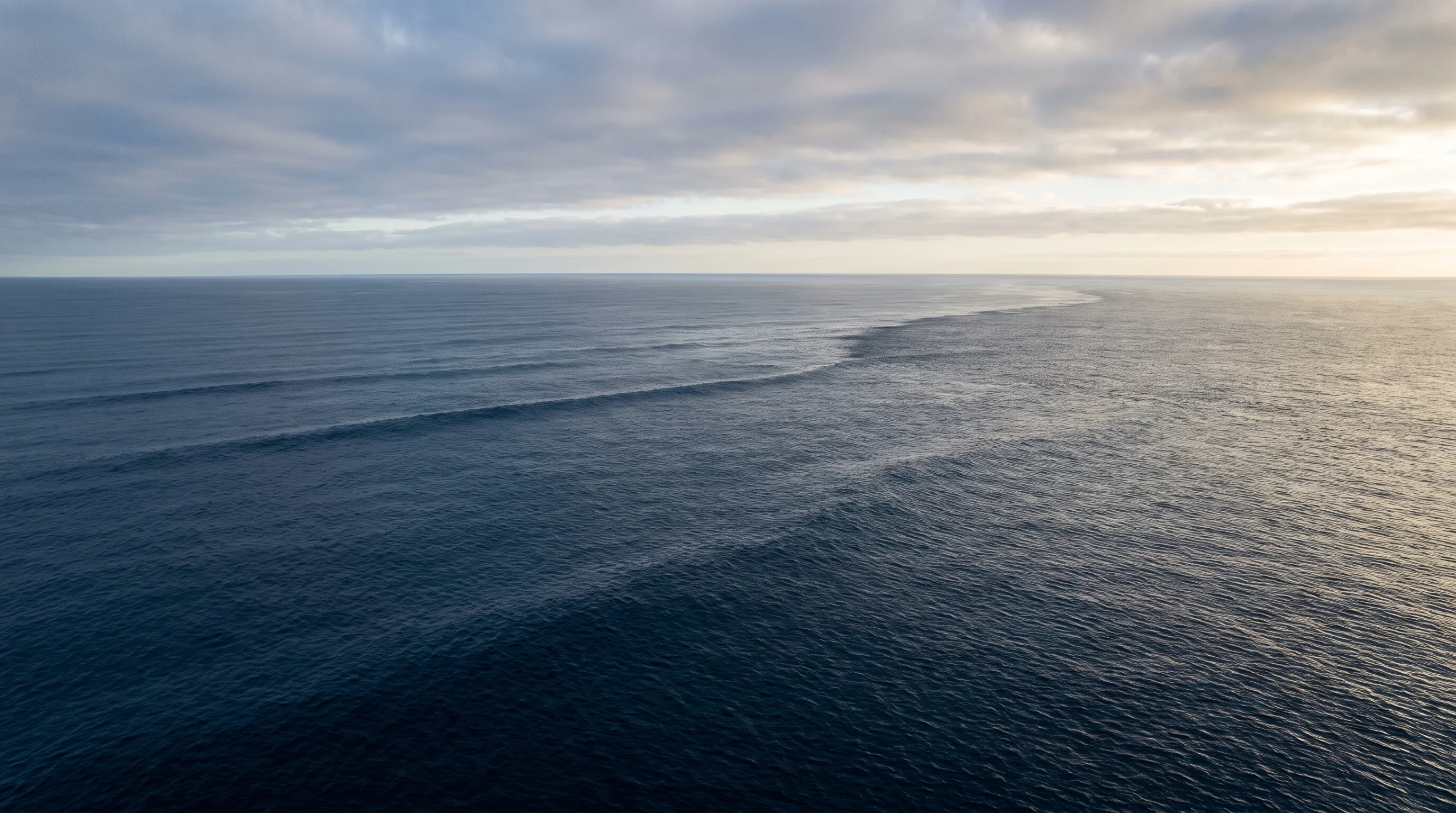
Five things you didn't know about the atlantic bluefin tuna.
Cited biology that shapes how the atlantic bluefin tuna feeds, defends, survives.
-
A countercurrent exchanger in its blood vessels helps keep its body and swimming muscles warmer than the surrounding sea. Source ↗
-
It frequently dives 500-1,000 m below the surface while travelling and feeding. Source ↗
-
A dating method using traces left by nuclear tests confirmed that one western Atlantic specimen was 31 years old. Source ↗
-
Its body is deepest below the middle of the first fin along its back. Source ↗
-
A short sonar study estimated that one fish moved at 10.98 m/s, but that does not establish the species' Top Speed. Source ↗
About the atlantic bluefin tuna
Where the atlantic bluefin tuna sits on the tree of life.
-
Class
Teleostei
Bony fish — the modern fish group that includes snappers, tuna and many reef hunters.
-
Order
Scombriformes
A group of related families — Scombriformes.
-
Family
Scombridae
A family of related species — Scombridae.
-
Species
Thunnus thynnus
Atlantic Bluefin Tuna — the species this page is about.


Atlantic Bluefin Tuna
Every fact, cited.
Biology cited on this page comes from peer-reviewed zoology and the major species databases. Click through for the underlying study, dataset or assessment.
- WoRMS taxonomy record · marinespecies.org
- ICCAT species biology manual · iccat.int
- Multibeam sonar observations · doi.org
- Adult swimming and diving kinematics · doi.org
- Validated age study · doi.org
- IUCN global assessment · doi.org
- Current ICCAT stock summary · iccat.int
- NOAA western Atlantic profile · fisheries.noaa.gov


