
Coyote
Scientific name Canis latrans
Adult size
- Weight
- ♂M 12.7-18.8 kg
- Length
- 0.75-1 m
- Shoulder height
- 0.41-0.51 m
- Top speed sprint
- 72 km/h
- Lifespan
- Coyotes often live about 6-8 years in the wild.
Coyote is a North and Central American canid. Modern source trails place Canis latrans from Canada and the United States through Mexico and Central America, with a major range-expansion story across the last few centuries.
The range
Three regions, one species.
The coyote doesn't live in one place. Across the map below, each region has its own pressures, prey, and politics — same biology, different worlds.
-
Canada and United States
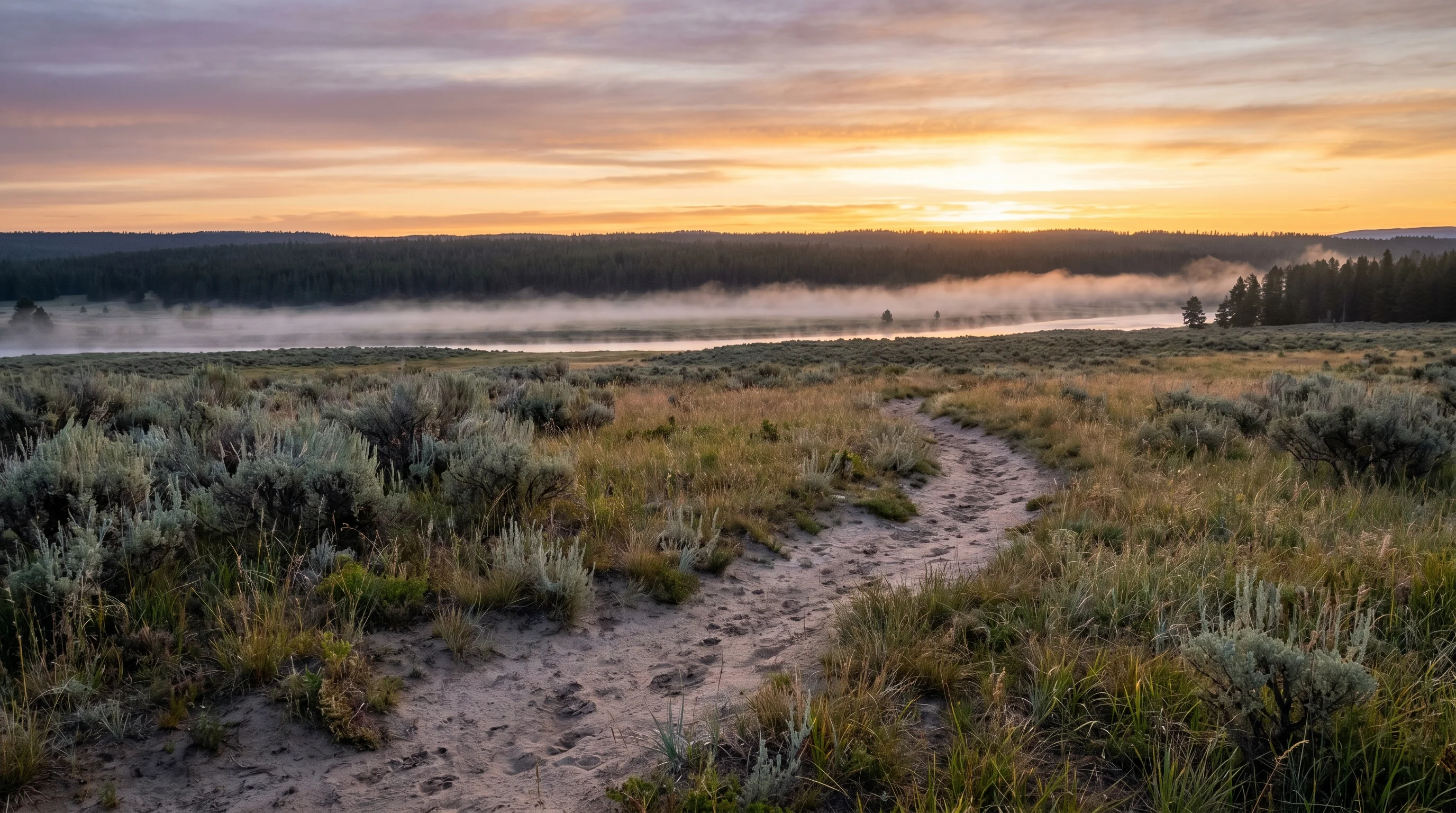
Open country, grassland, scrub, desert, forest edges, riparian corridors, agricultural edges, parks, suburban and urban edges
Range-expansion context across North America. Northeastern populations have their own hybrid-history caveats, so body-size claims need regional care.
Source ↗ -
Mexico
Dry country, scrub, grassland, forest-edge and human-modified habitats
MDD country-level range context.
Source ↗ -
Central America
Belize, Guatemala, Honduras, El Salvador, Nicaragua, Costa Rica and Panama range context
Country-level distribution context from MDD; local habitat importance varies within that broad range.
Source ↗
Daily life
What the coyote does, day to day.
Diet, social behaviour, climate — the everyday biology that shapes how this species hunts, defends and survives.
-
Diet
A flexible omnivorous carnivore diet: small mammals, rabbits, rodents, carrion, birds, reptiles, insects, invertebrates, fruit and other seasonal plant matter.
-
Social life
Flexible rather than wolf-like. Coyotes may live or hunt alone, as mated pairs, or in family groups depending on prey, pressure, season and local ecology.
-
Climate
Highly adaptable temperate, dry, cold, scrub, desert, open-country, forest-edge and human-modified climates, with the strongest story being flexibility rather than one narrow habitat.
Wyld Trivia
Five questions. Most people get them wrong.
But you're not most people.
Tap to reveal.
-
Is a Coyote just a small wolf?
Show me HideNo. A Coyote is Canis latrans. It is a canid like wolves and dogs, but its biology is not the same as a wolf, dog, fox, jackal or coywolf.
-
Why is there no speed number?
Show me HideCoyotes are fast pursuit hunters, with pounces and short bursts that help them catch small prey. Think fast burst movement, not one single race-track number.
-
Why is there no single adult-male weight?
Show me HideCoyotes vary by region, season, sex and sample route. A western male, a southeastern male and an Alaskan male can all be real coyotes without fitting one simple body-size number.
-
Do coyotes really hunt with badgers?
Show me HideSometimes. Peer-reviewed studies support coyote-badger hunting associations, especially around burrowing prey, but it is a contextual behaviour rather than a guaranteed team-up.
-
How did coyotes become so widespread?
Show me HideThey are adaptable, and research by Hody and Kays shows they expanded widely across North and Central America as landscapes, forests and predator communities changed.
The terrain
Where the coyote thrives.
Every animal is built for some places more than others. These are the ground, hours and weather where this species shows its best — and its worst.
Ground
- Grassland Excels
- Scrub Excels
- Forest edge Excels
- Agricultural edge Excels
- Desert edge Strong
- Urban edge Strong
- Riparian corridor Strong
- Dense tropical rainforest Struggles
Hours
- Dawn Excels
- Dusk Excels
- Night Excels
- Day Average
Weather
- Temperate Excels
- Dry open country Excels
- Human modified Excels
- Cold temperate Strong
- Desert scrub Strong
- Tropical humid Average
Five things you didn't know about the coyote.
Cited biology that shapes how the coyote feeds, defends, survives.
-
GBIF and Mammal Diversity Database both support Coyote as the exact species Canis latrans, not a wolf, dog, fox, jackal or coywolf shortcut. Source ↗
-
Hody and Kays mapped a major range expansion across North and Central America, so the modern Coyote story is much wider than an old prairie-only image. Source ↗
-
Coyotes are opportunistic feeders, and their social life can be solitary, paired or grouped depending on local conditions. Source ↗
-
Coyotes can range broadly from about 7-21 kg, while regional studies show that western, southeastern and Alaskan animals can differ in body size. Source ↗
-
Hinton et al. 2019 supports regional sex-scoped body-size differences between western and southeastern coyotes. Source ↗
About the coyote
Where the coyote sits on the tree of life.
-
Class
Mammalia
Warm-blooded animals with fur or hair that feed their young milk.
-
Order
Carnivora
Mostly meat-eating mammals — cats, dogs, bears and their relatives.
-
Family
Canidae
The dog family — pack-hunting, long-distance runners.
-
Species
Canis latrans
Coyote — the species this page is about.


Coyote
Every fact, cited.
Biology cited on this page comes from peer-reviewed zoology and the major species databases. Click through for the underlying study, dataset or assessment.
- mammaldiversity.org · mammaldiversity.org
- PubMed · PubMed
- research.fs.usda.gov · research.fs.usda.gov
- Animal Diversity Web · Animal Diversity Web
- doi.org · doi.org
- doi.org · doi.org
- research.fs.usda.gov · research.fs.usda.gov
- doi.org · doi.org


