
Sun Bear
Scientific name Helarctos malayanus
Adult size
- Weight
- ♀F 40 kg ♂M 55 kg
- Length
- ♀F 1.2 m ♂M 1.3 m
- Shoulder height
- ♀F 0.65 m ♂M 0.7 m
- Top speed charge
- ♂M 30 km/h
- Lifespan
- Sun Bears can start reproducing at around 6 years, and a 10-year-old is a mature adult.
Represented by Madu Bukit Barisan Selatan National Park, Indonesia

Sun bears live in the tropical forests of Southeast Asia: Myanmar, Thailand, Cambodia, Laos, Vietnam, Peninsular Malaysia, Sumatra, Borneo, Brunei, and a small northern edge into southern China. Their best habitat is lowland rainforest, hill rainforest, peat swamp, and freshwater swamp forest.
Where they live
Three angles, one home.
The sun bear represented in the Wyld Savage League lives in Bukit Barisan Selatan National Park, Indonesia. Three views of the same patch of country — at ground level, from above, and bird's-eye.
-
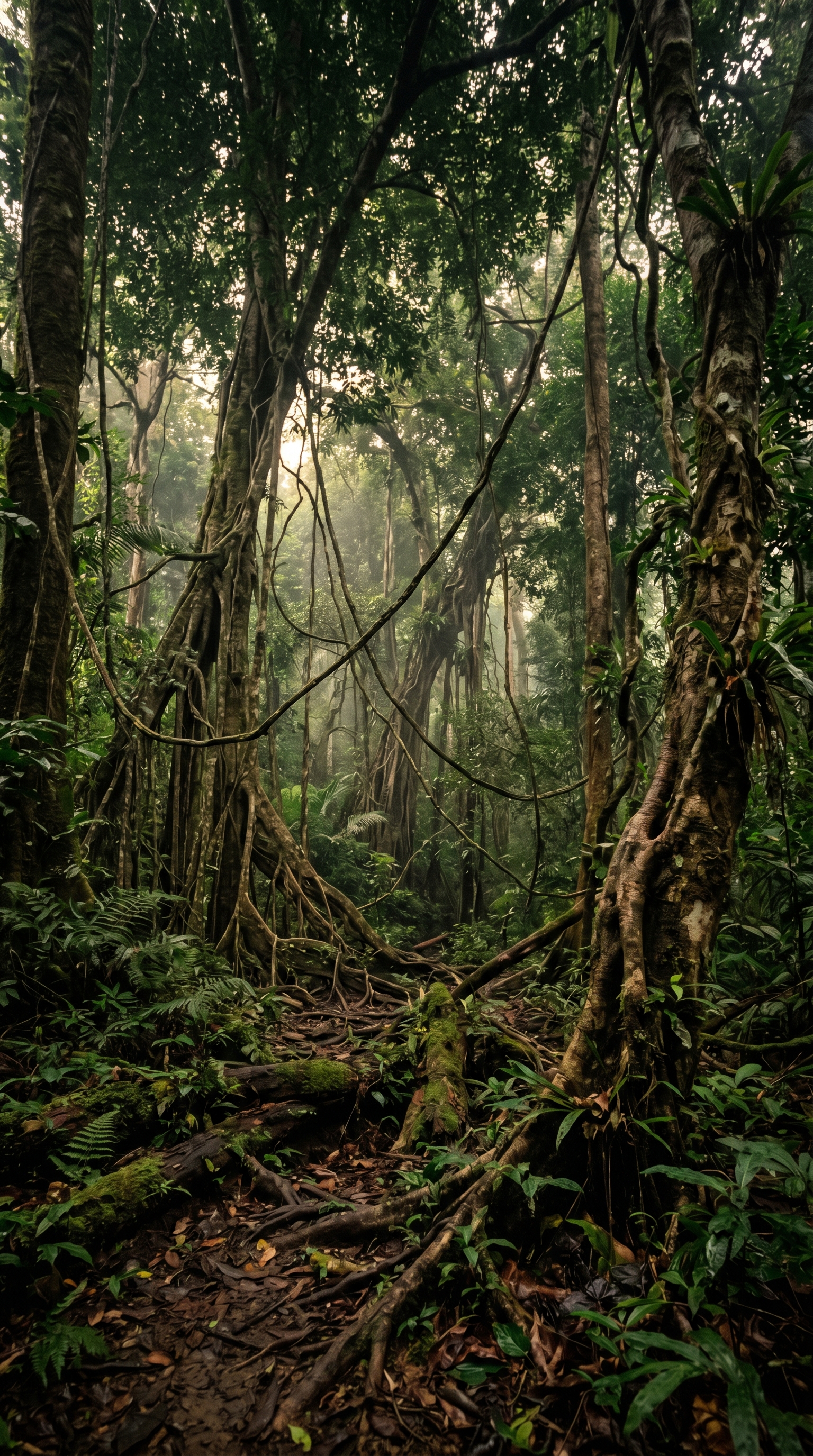
Bukit Barisan Selatan National Park, Indonesia at ground level — The sun bear is the smallest living bear. -
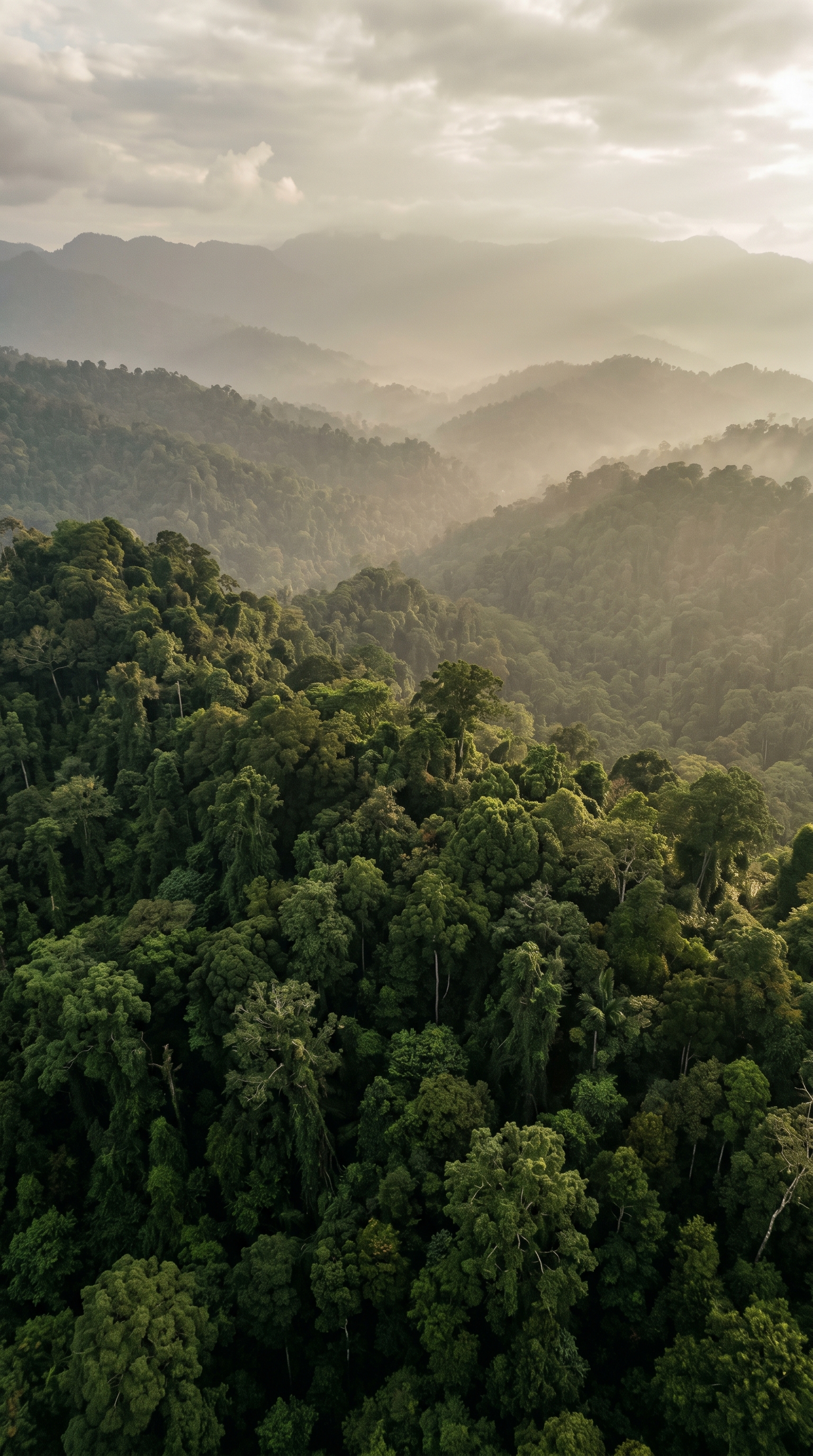
Bukit Barisan Selatan National Park, Indonesia seen from above — The sun bear is the smallest living bear. -
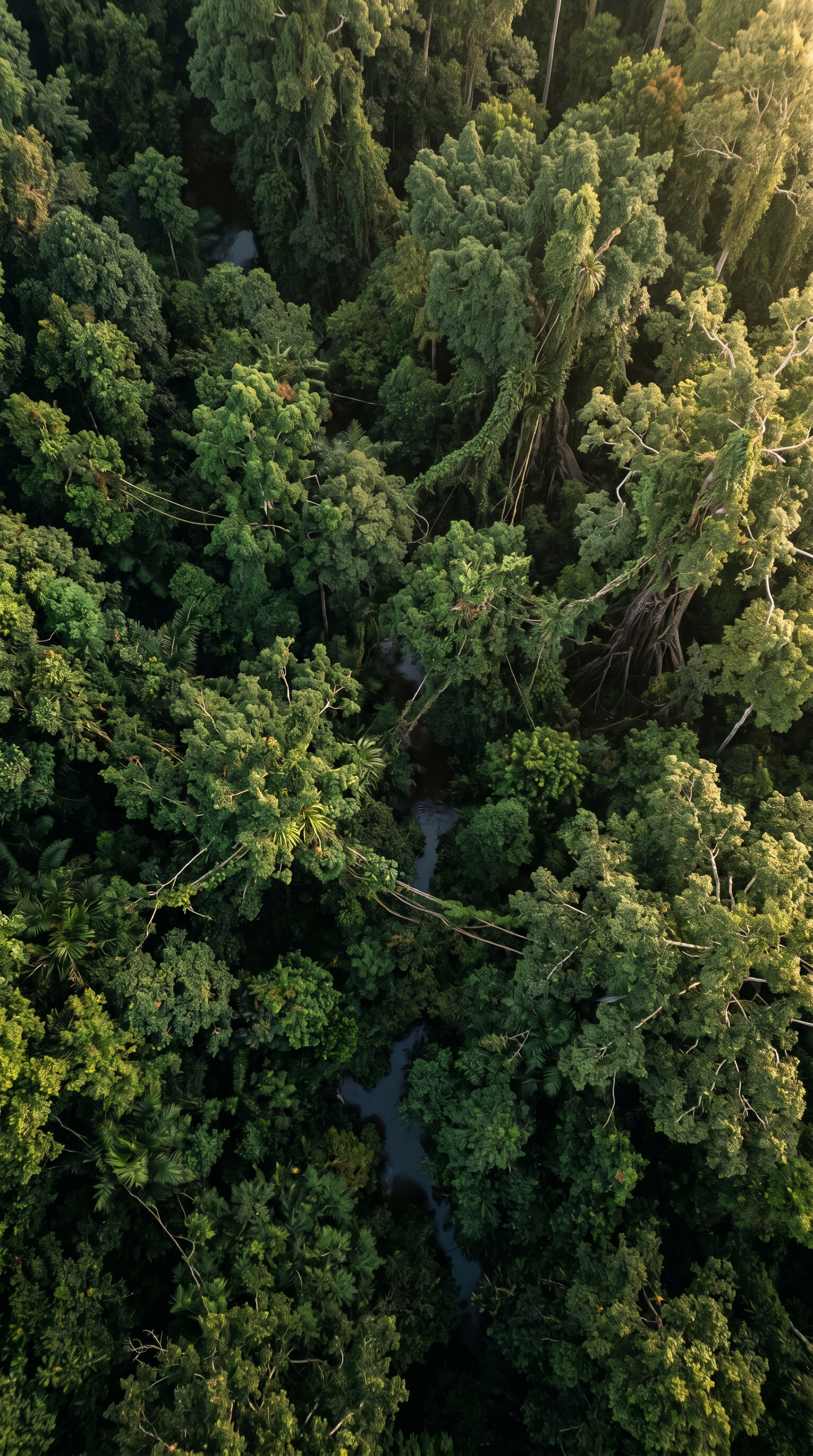
Bukit Barisan Selatan National Park, Indonesia from high overhead — The sun bear is the smallest living bear.
Native range
Sun bears live in the tropical forests of Southeast Asia: Myanmar, Thailand, Cambodia, Laos, Vietnam, Peninsular Malaysia, Sumatra, Borneo, Brunei, and a small northern edge into southern China. Their best habitat is lowland rainforest, hill rainforest, peat swamp, and freshwater swamp forest.
The range
Six regions, one species.
The sun bear doesn't live in one place. Across the map below, each region has its own pressures, prey, and politics — same biology, different worlds.
-
Malaysia
Danum Valley (Sabah, Borneo)
Major Bornean stronghold; primary rainforest with large contiguous extent. Long-term research site for Wong et al. on sun-bear activity patterns.
Source ↗ -
Malaysia
Taman Negara National Park
Peninsular Malaysia's core protected area; one of Southeast Asia's largest intact lowland rainforests.
Source ↗ -
Indonesia
Kutai National Park (Kalimantan/Borneo)
Source ↗ -
Indonesia
Bukit Barisan Selatan National Park
Southern Sumatra (Lampung / Bengkulu / South Sumatra provinces) lowland, hill, lower montane, upper montane, and coastal forest within a UNESCO World Heritage landscape. Direct BBSNP sun-bear occupancy/activity paper; camera-trap bycatch came from tiger surveys, so tiger overlap is real. Madu home territory — Group G3.
Source ↗ -
Thailand
Kaeng Krachan National Park
Source ↗ -
Thailand
Khao Yai National Park
Source ↗
Daily life
What the sun bear does, day to day.
Diet, social behaviour, climate — the everyday biology that shapes how this species hunts, defends and survives.
-
Diet
Omnivorous tropical-forest forager. Sun bears eat insects such as termites, ants, bees and beetle larvae, plus honey, fruit, palm hearts, shoots, small vertebrates, eggs, and carrion when available.
-
Social life
Mostly solitary outside the mother-cub bond. Adults use overlapping forest space and may mark climbed trees, but home-range size and overlap vary by sex, habitat, and study.
-
Climate
Tropical and subtropical lowland rainforest specialist. Strongly associated with hill dipterocarp forest, peat swamp, and freshwater swamp forest (EOL).
Wyld Trivia
Five questions. Most people get them wrong.
But you're not most people.
Tap to reveal.
-
How long is the smallest bear's tongue?
Show me HideLong enough to be a proper forest tool. Sun bears can push out their lips and tongue to reach honey, larvae, and insects inside hollow wood, but Wyld Rivals does not use a fixed public centimetre number until a stronger source is pinned.
-
What makes a sun bear such a strong climber?
Show me HideBig naked paws, strongly curved claws, and a small compact body. Sun bears can climb to fruit, honey, and insects, and they may even rest or sleep in trees when the forest floor is risky.
-
Why is every sun bear's chest patch a different shape?
Show me HideSun bears have a pale yellow or white patch on the chest. Some are 'U' shaped, some look like sunbursts, and some bears have no patch at all. The patch on the chest is what gives the species its name — the rising sun above the bear's heart.
-
What does the world's smallest bear eat to survive?
Show me HideA mix of insects, honey, fruit, shoots, eggs, small animals, and carrion. In some forests, fruiting cycles matter a lot, and sun bears can spread seeds after eating fruit.
-
Why is the smallest bear losing its forest faster than any other bear?
Show me HideSun bears live in the rainforests of Southeast Asia — the region that has lost more forest in the last 30 years than anywhere else on Earth. Their population has dropped by more than 30%. They're also hunted illegally for bile and paws sold on the wildlife trade.
The terrain
Where the sun bear thrives.
Every animal is built for some places more than others. These are the ground, hours and weather where this species shows its best — and its worst.
Ground
- Tropical rainforest Excels
- Peat swamp forest Excels
- Lowland forest Strong
- Secondary forest Average
- Mountain Struggles
- Open grassland Avoids
Hours
- Dawn Strong
- Day Strong
- Dusk Strong
- Twilight Strong
- Night Strong
Weather
- Moderate Excels
- Rain Excels
- Hot Strong
- Wind Average
- Storm Average
- Cold Avoids

Five things you didn't know about the sun bear.
Cited biology that shapes how the sun bear feeds, defends, survives.
-
The sun bear is the smallest living bear. A direct species account gives a 100-140 cm head-body length, about 70 cm at the shoulder, and 25-65 kg body mass. Source ↗
-
Sun bears have protrusible lips and tongue, strongly curved claws, large paws, and naked soles — a toolkit for climbing, opening hollow wood, and feeding inside tree cavities. Source ↗
-
The pale chest patch is highly variable: U-shaped in some sun bears and absent in others. On Madu it is kept as a deep-yellow-to-orange U-shaped identity marking. Source ↗
-
Sun bears spend time above ground to feed and escape predators such as tigers, and they may sleep in trees several metres above the forest floor. Source ↗
-
Listed as Vulnerable on the IUCN Red List, sun bear populations have declined by more than 30% over the last three decades, driven by tropical deforestation — the fastest-losing forest region on Earth — and illegal wildlife trade for bile and paws. Source ↗
About the sun bear
Where the sun bear sits on the tree of life.
-
Class
Mammalia
Warm-blooded animals with fur or hair that feed their young milk.
-
Order
Carnivora
Mostly meat-eating mammals — cats, dogs, bears and their relatives.
-
Family
Ursidae
The bear family — large, strong, mostly omnivorous.
-
Species
Helarctos malayanus
Sun Bear — the species this page is about.


Sun Bear
Every fact, cited.
Biology cited on this page comes from peer-reviewed zoology and the major species databases. Click through for the underlying study, dataset or assessment.
- doi.org · doi.org
- doi.org · doi.org
- Animal Diversity Web · Animal Diversity Web
- doi.org · doi.org
- bearbiology.org · bearbiology.org


