
Southern African Lion
Scientific name Panthera leo melanochaita
Adult size
- Weight
- ♀F 126 kg ♂M 189 kg
- Length
- ♀F 2.3 m ♂M 2.5 m
- Shoulder height
- ♀F 1.1 m ♂M 1.2 m
- Top speed sprint
- ♀F 50 km/h ♂M 50 km/h
- Lifespan
- Lionesses often reach 15-18 years in the wild, males rarely pass 10, and captive records can reach 30 years.
Represented by Tau Serengeti National Park, Tanzania

Southern African lions live across East and Southern Africa's savanna belt: Tanzania, Kenya, Uganda, Rwanda, Zambia, Malawi, Mozambique, Zimbabwe, Botswana, Namibia, South Africa, and nearby range edges. Their key landscapes include Serengeti, Masai Mara, Kruger, Okavango Delta, Hwange, Chobe, and Ngorongoro. This is open grassland, woodland, river edge, thorn scrub, and dry savanna where prides can hunt zebra, wildebeest, buffalo, and other large prey.
Where they live
Three angles, one home.
The southern african lion represented in the Wyld Savage League lives in Serengeti National Park, Tanzania. Three views of the same patch of country — at ground level, from above, and bird's-eye.
-
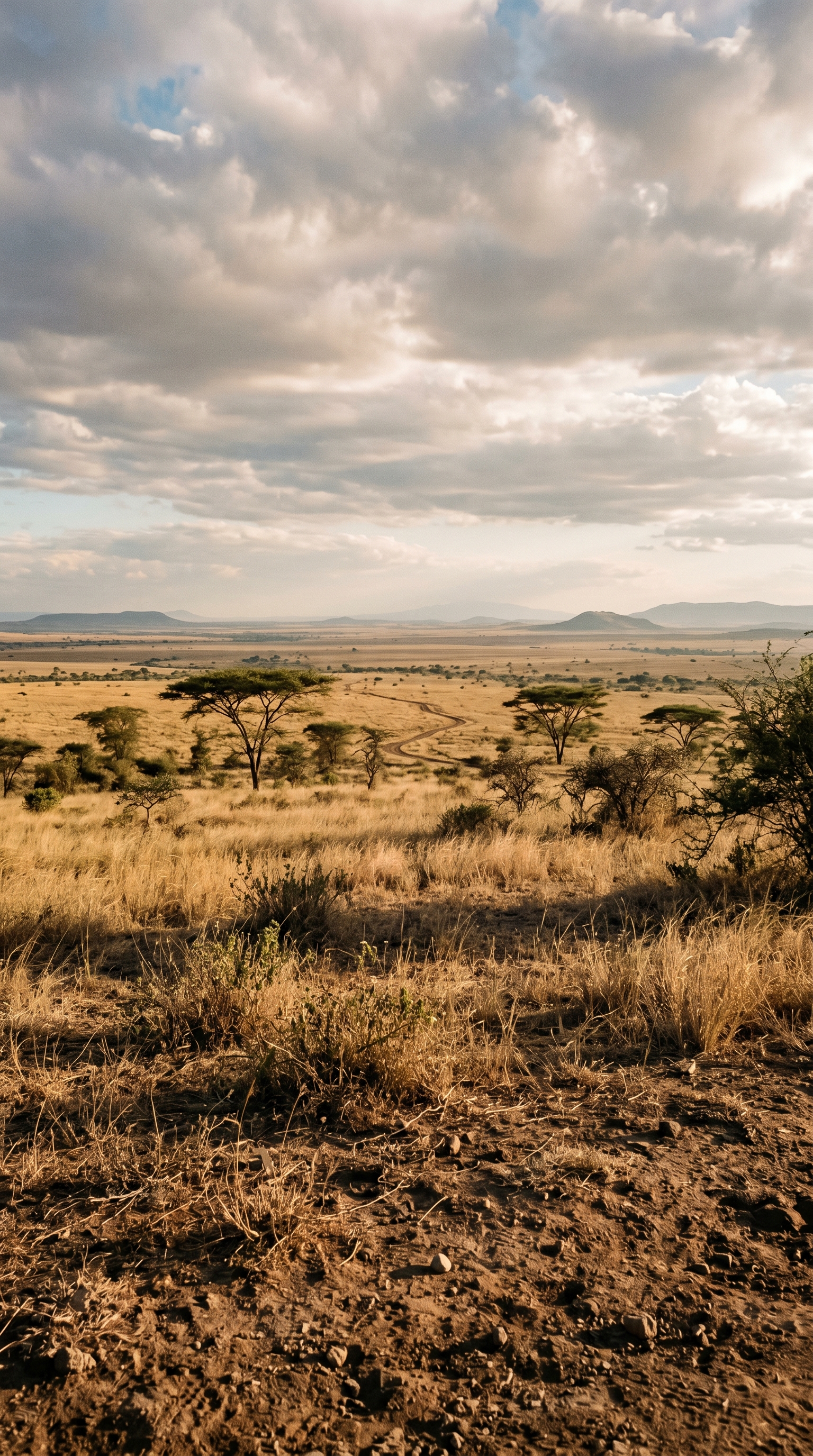
Serengeti National Park, Tanzania at ground level — Panthera leo is listed as Vulnerable on the IUCN Red List with a decreasing population trend. -
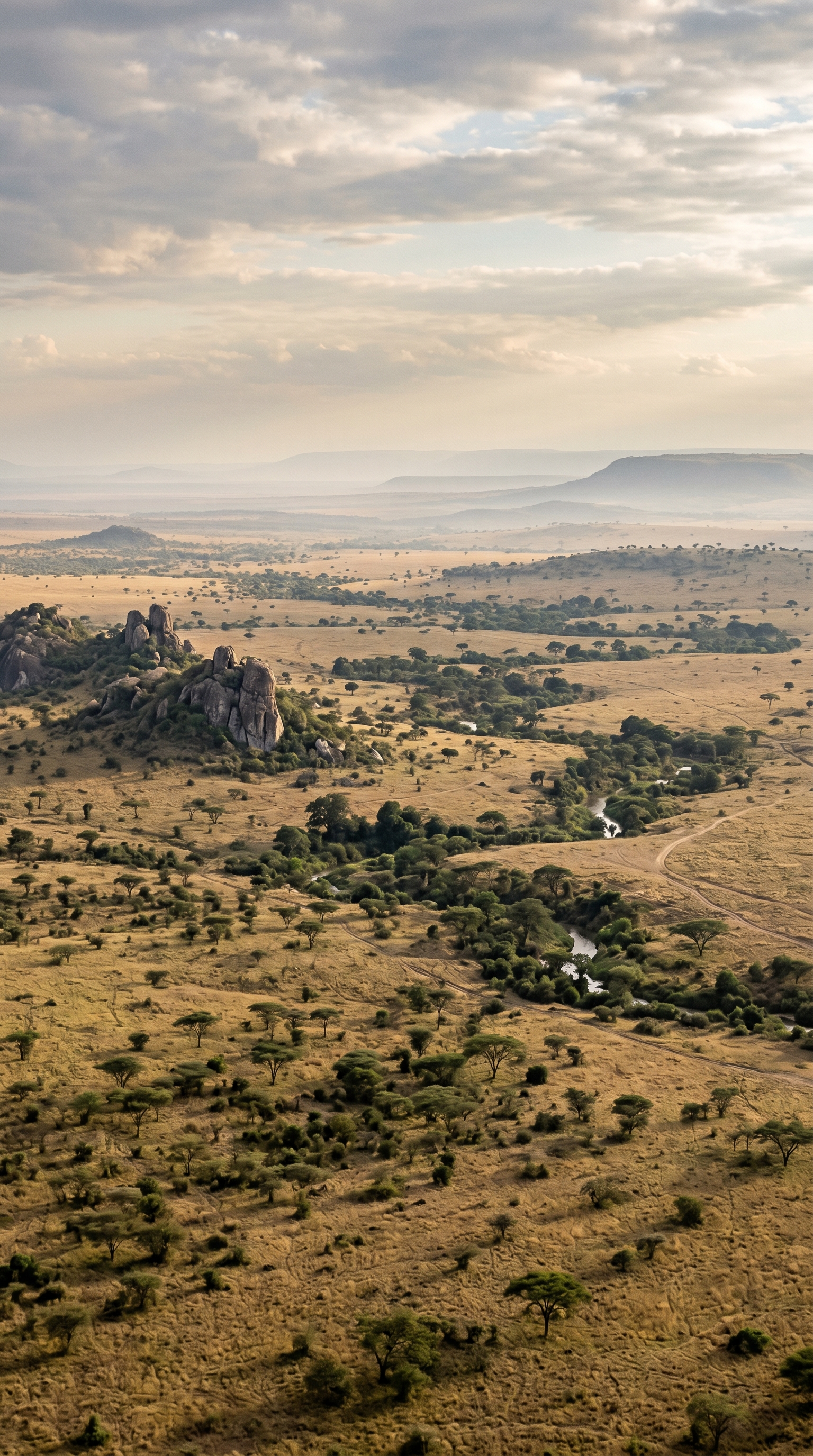
Serengeti National Park, Tanzania seen from above — Panthera leo is listed as Vulnerable on the IUCN Red List with a decreasing population trend. -
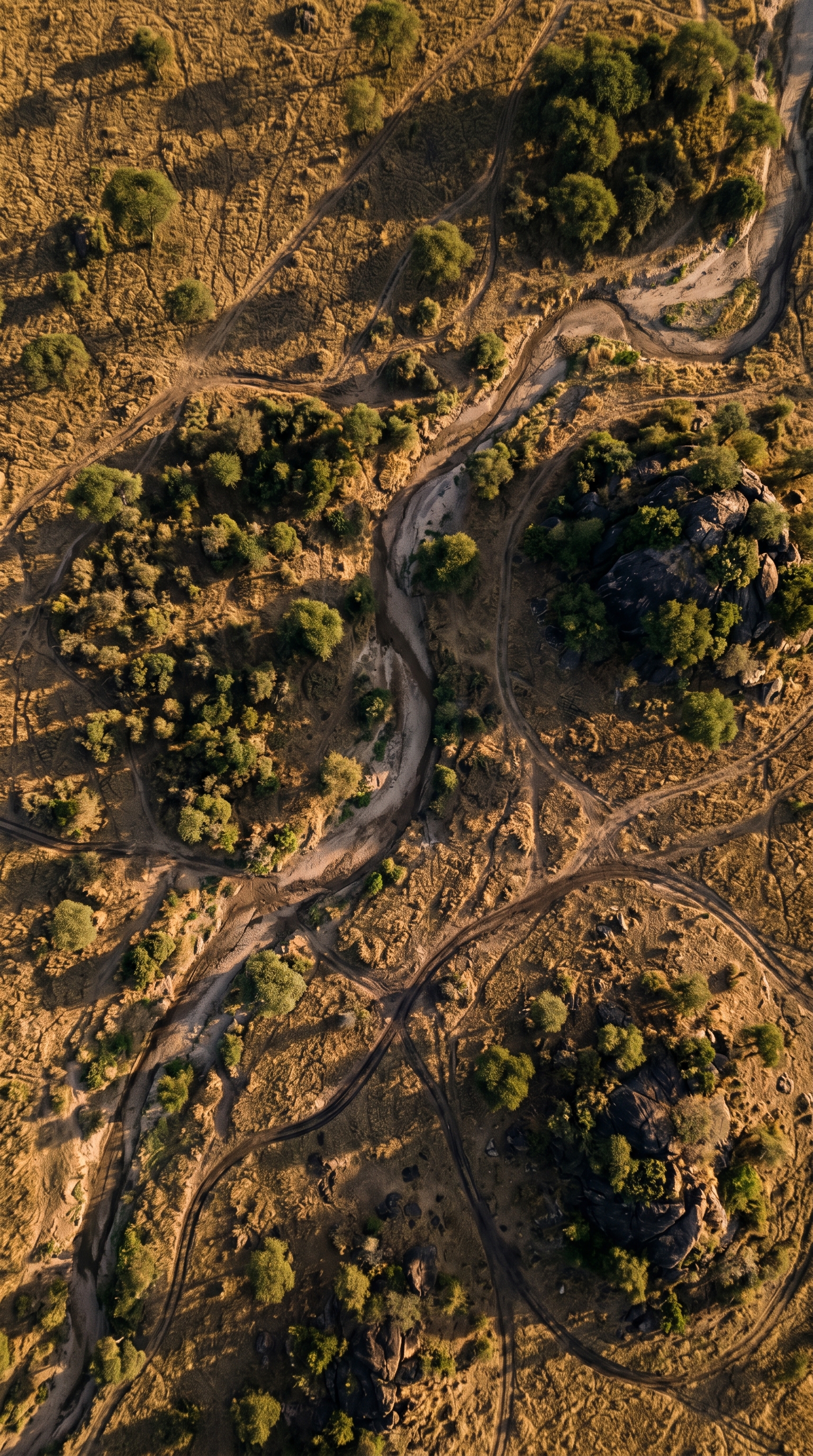
Serengeti National Park, Tanzania from high overhead — Panthera leo is listed as Vulnerable on the IUCN Red List with a decreasing population trend.
Native range
Southern African lions live across East and Southern Africa's savanna belt: Tanzania, Kenya, Uganda, Rwanda, Zambia, Malawi, Mozambique, Zimbabwe, Botswana, Namibia, South Africa, and nearby range edges. Their key landscapes include Serengeti, Masai Mara, Kruger, Okavango Delta, Hwange, Chobe, and Ngorongoro. This is open grassland, woodland, river edge, thorn scrub, and dry savanna where prides can hunt zebra, wildebeest, buffalo, and other large prey.
The range
Six regions, one species.
The southern african lion doesn't live in one place. Across the map below, each region has its own pressures, prey, and politics — same biology, different worlds.
-
Tanzania
Serengeti National Park
Dense lion population. Sympatric with the African crested porcupine — the nemesis relationship anchors on documented porcupine-driven lion mortality (Kerbis Peterhans 'Man-Eater of Darajani' case).
Source ↗ -
South Africa
Kruger National Park
Flagship Southern African population.
Source ↗ -
Botswana
The Okavango Delta
High-density Okavango lion population. Primary predator pressure on Echo (African wild dog) pack structure.
Source ↗ -
Tanzania
Ngorongoro Conservation Area
Ngorongoro Crater holds one of the most-studied isolated lion populations in Africa — genetically bottlenecked, high mane variation, a candidate Tau home-region.
Source ↗ -
Zimbabwe
Hwange National Park
Zimbabwe's largest protected lion population. Candidate Tau home-region.
Source ↗ -
Botswana
Chobe National Park
Northern Botswana savanna / riverine prides adjacent to the Kavango-Zambezi TFCA. Candidate Tau home-region.
Source ↗
Daily life
What the southern african lion does, day to day.
Diet, social behaviour, climate — the everyday biology that shapes how this species hunts, defends and survives.
-
Diet
Obligate carnivore and apex predator.
-
Social life
The social big cat. Prides are matrilineal kin-groups of related females, their dependent offspring, and one or more resident males, often in coalitions.
-
Climate
Open savanna, grassland, semi-arid scrub, and woodland edge across tropical and subtropical Africa.
Wyld Trivia
Five questions. Most people get them wrong.
But you're not most people.
Tap to reveal.
-
Why is the lion the only big cat that lives in a family group?
Show me HideLions are the famous pride-living cat. A pride is usually built around related females and their cubs, with one or more resident males defending access to the group and its territory. Most other big cats live far more solitary adult lives.
-
Who actually hunts in a lion pride — the lions or the lionesses?
Show me HideLionesses do much of the hunting. They're lighter than adult males and often work together. Classic field-study summaries put solo hunt success around 17% and group hunts around 30%, but the exact number changes with prey, habitat, and region.
-
Why is a lion coalition of three more powerful than a coalition of two?
Show me HideA lone male lion is easier for rivals to displace. Coalitions let males defend territory together, and classic Serengeti research shows larger coalitions can gain a reproductive advantage. More partners can mean more time to hold a pride and raise cubs.
-
How many lions are left in the wild — and how many used to roam?
Show me HideAbout 24,000 today. A hundred years ago there were closer to 200,000. That's a 95% drop. Lions are now extinct in 15 African countries they used to live in, and the species is listed as Vulnerable on the IUCN Red List with numbers still falling.
-
How big is a fully grown lion?
Show me HideAdult males average 189 kilograms — about three times the weight of an adult human. They stand 1.2 metres at the shoulder, which is hip-height for most adults. The biggest males ever recorded were 272 kg. Females are smaller — around 126 kg — but they do most of the hunting work.
The terrain
Where the southern african lion thrives.
Every animal is built for some places more than others. These are the ground, hours and weather where this species shows its best — and its worst.
Ground
- Open savanna Excels
- Grassland Excels
- Woodland Strong
- Rocky kopje Strong
- Water Average
- Dense bush Struggles
Hours
- Dawn Excels
- Dusk Excels
- Night Excels
- Twilight Excels
- Day Struggles
Weather
- Moderate Excels
- Hot Strong
- Wind Average
- Cold Struggles
- Rain Struggles
- Storm Avoids

Five things you didn't know about the southern african lion.
Cited biology that shapes how the southern african lion feeds, defends, survives.
-
Panthera leo is listed as Vulnerable on the IUCN Red List with a decreasing population trend. African Wildlife Foundation records a 43% population decline over a 21-year window and notes the species is regionally extinct in 15 African countries. Source ↗
-
Lions are the pride-living cat. Related females form the pride core, while males often defend access to territory and cubs in coalitions. Source ↗
-
Adult male Southern African lions average around 189 kg (heaviest recorded 272 kg) and stand roughly 1.2 m at the shoulder; females average 126 kg and 1.1 m at the shoulder (Animal Diversity Web). Source ↗
-
Cooperative hunting can change lion success rates: individual hunts succeed around 17% of the time and group hunts around 30% in classic field-study summaries. In Serengeti populations, seven ungulate species supply about 90% of prey intake. Source ↗
-
Global wild lion numbers are estimated at only around 24,000 today, down from roughly 200,000 at the turn of the twentieth century — a 95% range contraction according to Panthera's conservation assessment. Source ↗
About the southern african lion
Where the southern african lion sits on the tree of life.
-
Class
Mammalia
Warm-blooded animals with fur or hair that feed their young milk.
-
Order
Carnivora
Mostly meat-eating mammals — cats, dogs, bears and their relatives.
-
Family
Felidae
The cat family — solitary hunters with retractable claws.
-
Species
Panthera leo melanochaita
Southern African Lion — the species this page is about.


Southern African Lion
Every fact, cited.
Biology cited on this page comes from peer-reviewed zoology and the major species databases. Click through for the underlying study, dataset or assessment.
- awf.org · awf.org
- panthera.org · panthera.org
- Animal Diversity Web · Animal Diversity Web
- Animal Diversity Web · Animal Diversity Web
- panthera.org · panthera.org


